

It can. A DWI won’t cost you federal student aid, but private and university scholarships set their own rules, and a lot of them can be pulled over an arrest or a conviction. Whether yours survives comes down to what the award terms say and how your criminal case ends.
That second part is where a Houston DWI lawyer earns the fee. A scholarship committee can’t hold a conviction against you that never happens.
Federal Aid Isn’t the Problem
You’ll still find pages online saying a DWI or a drug charge will cost you a Pell Grant or federal loans. That’s out of date. Federal Student Aid says drug convictions no longer affect federal student aid eligibility, and an alcohol DWI was never part of that rule. The real federal limit is incarceration. Aid options are limited while someone is locked up, and most of those limits come off after release.
How a DWI Hits a Scholarship You Already Have
A scholarship is a contract. Foundations, donors, employers and the university itself decide the terms, and many of those terms include a conduct clause. Some kick in on a conviction. Others kick in on an arrest, before anyone has proved anything. A lot of programs also require you to report an arrest within a set number of days, and missing that deadline can be its own violation even if the case later gets dismissed.
Athletic scholarships add team rules and athletic department policies on top of that. And most schools have a student code of conduct that can open a disciplinary case over the same arrest. That case runs separately from the criminal case, on its own schedule. If it ends in a suspension, you can lose the enrollment status your scholarship requires, whatever happens in court.
Before you answer an email from the dean’s office or a coach, get the scholarship agreement and the conduct code in front of a lawyer. What you write to the school isn’t confidential.
Applying for a New Scholarship With a DWI
Many applications ask about criminal history. Read the question carefully, because the wording matters. “Have you ever been convicted” is a different question from “have you ever been arrested or charged.” Deferred adjudication that you complete ends with a dismissal, and under Code of Criminal Procedure Article 42A.111 that dismissal isn’t treated as a conviction for disqualifications imposed by law. A private committee can still ask about arrests, though, so don’t guess at the answer. Lying on an application is worse than the DWI.
If you get an order of nondisclosure, Government Code § 411.0755 says you don’t have to disclose the case in any application for employment, information or licensing. Whether a particular scholarship form fits that language is a question to ask us before you fill it out.
Texas State Grants and Felony DWI
State grant money has a hard rule. Texas Education Code §§ 56.304 and 56.305 bar a student convicted of a felony or a drug offense from receiving or keeping a TEXAS Grant, unless two years have passed since the sentence or probation ended, or the record has been pardoned or expunged. A first DWI is a misdemeanor and doesn’t trigger it. A third DWI, a DWI with a passenger younger than 15, intoxication assault and intoxication manslaughter are all felonies, and those do.
Protecting Your Scholarship Starts With the Criminal Case
Every scholarship problem gets easier the better your criminal case turns out. These are the outcomes we push for, depending on the evidence and your history:
- A dismissal or a not guilty verdict. That can open the door to an expunction under Chapter 55A of the Code of Criminal Procedure, which destroys the records and lets you deny the arrest.
- Pretrial intervention, where a county offers it and you qualify. Chapter 55A allows an expunction once a pretrial intervention program is completed and the case is dismissed.
- Deferred adjudication. Texas allows it for a DWI unless the test result was 0.15 or higher or you held a commercial license. It still shows up in public DPS criminal history until it’s sealed, but after you finish, you may be able to seal it with a nondisclosure order two years later.
- A nondisclosure order after probation or a conviction on a first DWI, if the result was under 0.15, you completed the sentence, you have no prior record and there was no crash involving another person. The waiting period runs from two to five years depending on whether you had an ignition interlock for at least six months.
Getting there starts with the evidence. Jay Blass Cohen is a certified Drug Recognition Expert and an ACS-CHAL Forensic Lawyer-Scientist, and he’s a certified instructor in the field sobriety tests police use in DWI stops. He’s been doing DWI defense in Houston since 2009. We go through the video and the test results line by line, looking for the mistakes that get cases reduced or thrown out.
Call Blass Law Before You Talk to the School
If you’re a student facing a DWI and your scholarship is on the line, don’t wait for the award letter to get pulled. Call Blass Law at (713) 664-4000 or send us a message through our contact page. Bring the scholarship terms if you have them. We’ll tell you where you stand and what we’d do next.
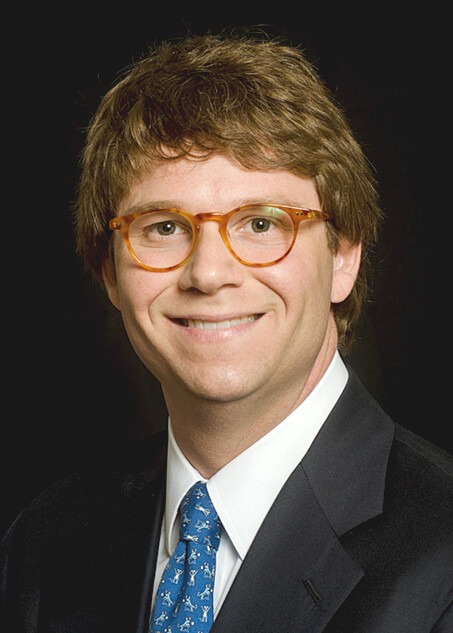
A Houston DWI and criminal defense attorney since 2009 who has never worked for the prosecution. Jay is an ACS-CHAL Forensic Lawyer-Scientist, a certified practitioner and instructor of Standardized Field Sobriety Testing, a certified Drug Recognition Expert, and trained in forensic chromatography. He is a member of the National College for DUI Defense, a founding member of the DUI Defense Lawyers Association, and an appointee to the Texas Indigent Defense Commission by Gov. Abbott in 2024.
Last reviewed September 2026 · This article is legal information, not legal advice. Read Jay’s full bio →