
Yes. A DWI conviction doesn’t make you ineligible for federal student aid, and it never did. The old federal rule that cut students off was about drug convictions, and Federal Student Aid now says drug convictions no longer affect federal student aid eligibility either.
So you can still file the Free Application for Federal Student Aid (FAFSA), and a DWI on your record won’t block a Pell Grant or a federal student loan. Being on probation doesn’t stop you. Federal Student Aid says people on probation or parole may be eligible. The money a student can actually lose after a DWI arrest comes from other places, and most of that risk shrinks if the criminal case is handled right from day one.
Private and School Scholarships Are the Real Risk
Foundations, donors, booster clubs and employers write their own rules. Plenty of them put a conduct clause in the award. Some are triggered by a conviction, others by an arrest alone. None of that is controlled by federal aid rules, so the fact that your FAFSA is safe tells you nothing about your scholarship. We cover the details in how a DWI affects a Texas scholarship.
Scholarships funded by the university itself work the same way, and so do athletic scholarships. They usually sit on top of the school’s student code of conduct, and a DWI can open a student conduct case that runs on its own track, with its own hearing, separate from the criminal case. A suspension there can end the enrollment your scholarship depends on. And anything you say to the dean’s office isn’t protected. Talk to a lawyer before you give the school a written statement.
Texas State Grants Have a Felony Rule
The TEXAS Grant, the state’s main need-based grant for university students, has its own conviction bar. Texas Education Code § 56.304 says you’re not eligible if you’ve been convicted of a felony or a drug offense under the Texas Controlled Substances Act, unless at least two years have passed since you finished your sentence or probation, or you’ve been pardoned or had the record expunged. Section 56.305 applies the same bar to students who already have the grant. The state grant for community college students has the same language.
A first DWI is a misdemeanor, so it doesn’t trip that rule. A felony DWI does. That includes a third DWI, a DWI with a passenger younger than 15, a DWI in a school crossing zone while the reduced speed limit is in effect, and intoxication assault. For a Texas student, the gap between a misdemeanor and a felony can be years of grant money.
Jail Time and Federal Aid
The one federal limit tied to a criminal case is incarceration. Federal aid options are limited while someone is incarcerated, and Federal Student Aid says most of those limits come off once you’re released. That’s one more reason the level of the charge matters. A short county jail stay on a misdemeanor is a very different thing from a prison sentence on a felony DWI.
What Else a DWI Costs a Student
The first thing most students feel is the license. If you refused a breath or blood test, or the result came back at 0.08 or higher, DPS will move to suspend your license. If you’re under 21, any detectable amount of alcohol is enough. You get only 15 days after you receive the notice to request a hearing to fight it. A conviction brings its own suspension on top of that. If you drive to class or to a job that pays tuition, that hurts fast.
A DWI also shows up on background checks for internships and jobs. An order of nondisclosure can hide some DWI records from the public, but not from everyone. Under Government Code § 411.0765, sealed records can still be released to the Texas Medical Board, the Board of Law Examiners, the Texas Board of Nursing and the State Board for Educator Certification, among others. If you’re headed toward medicine, law, nursing or teaching, think about that now, before you plead to anything.
International students have one more problem. If you’re here on a student visa, the State Department’s own manual lets a visa be revoked over a DWI arrest or conviction from the past five years. You need a criminal defense lawyer and an immigration lawyer looking at the case together before any plea.
How the Case Ends Is What Matters
Almost every problem on this page gets smaller, or goes away, if the case doesn’t end in a conviction. An acquittal, and some dismissals, can lead to an expunction under Chapter 55A of the Code of Criminal Procedure. That destroys the records and lets you deny the arrest ever happened. A first DWI that ends in deferred adjudication or probation may qualify for an order of nondisclosure after a waiting period, as long as the test result wasn’t 0.15 or higher, you finished every part of the sentence, you don’t have a prior record, and there wasn’t a crash involving another person.
Those options are real. They’re also easy to wreck early, by talking to police or the school before anyone has read the offense report. Jay Blass Cohen is a certified Drug Recognition Expert and an ACS-CHAL Forensic Lawyer-Scientist. He’s also a certified instructor in the field sobriety tests officers use to build these cases, so he knows exactly where that evidence falls apart.
Call a Houston DWI Lawyer Before the Semester Starts
If you or your kid got arrested for DWI while in school, call a Houston DWI lawyer at Blass Law. We’ll look at the criminal case and the scholarship terms together and tell you what we’d do. Call (713) 664-4000 or reach us through our contact page. The sooner we have the file, the more options you have.
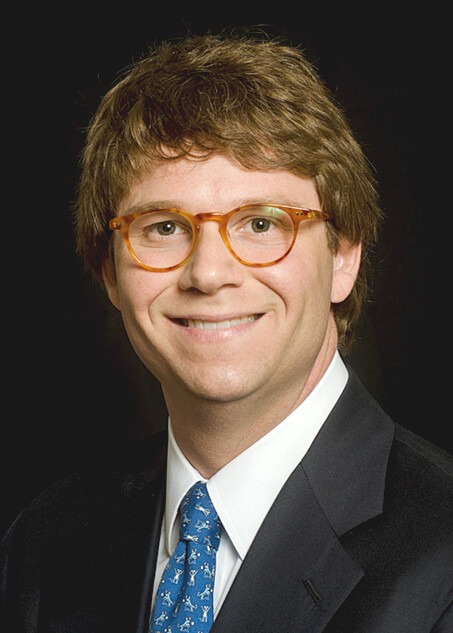
A Houston DWI and criminal defense attorney since 2009 who has never worked for the prosecution. Jay is an ACS-CHAL Forensic Lawyer-Scientist, a certified practitioner and instructor of Standardized Field Sobriety Testing, a certified Drug Recognition Expert, and trained in forensic chromatography. He is a member of the National College for DUI Defense, a founding member of the DUI Defense Lawyers Association, and a commissioner on the Texas Indigent Defense Commission, appointed by Gov. Abbott in 2023.
Last reviewed September 2026 · This article is legal information, not legal advice. Read Jay’s full bio →