

For sexual assault of an adult in Texas, the State has 10 years from the date of the alleged offense to get an indictment, under Code of Criminal Procedure Art. 12.01(2)(E). There’s no time limit at all when the complainant was younger than 17, and there’s no limit for an adult case either if biological evidence was collected and either hasn’t been DNA tested or doesn’t match anyone identified. Aggravated sexual assault carries the same limitation as sexual assault under Art. 12.03(d), so “aggravated” doesn’t by itself remove the deadline.
If you’ve learned about an accusation involving something that happened years ago, call (713) 664-4000. Old cases are where limitations questions actually get litigated, and they’re also where the evidence that could clear you is most likely to be gone if nobody preserves it.
Time limits by charge
| Charge | Time limit | Statute |
|---|---|---|
| Sexual assault of an adult | 10 years from the offense | Art. 12.01(2)(E) |
| Sexual assault of an adult where biological evidence was collected and is untested, or tested and matches no identified person | None | Art. 12.01(1)(C)(i) |
| Sexual assault where there’s probable cause the accused committed the same or a similar offense against five or more people | None | Art. 12.01(1)(C)(ii) |
| Aggravated sexual assault of an adult | Same as sexual assault | Art. 12.03(d) |
| Sexual assault or aggravated sexual assault of a child | None | Art. 12.01(1)(B) |
| Indecency with a child, or continuous sexual abuse of a child | None | Art. 12.01(1)(D), (E) |
| Indecent assault, usually a Class A misdemeanor | 2 years, or 3 if charged as a felony | Arts. 12.02(a), 12.01(11) |
Sources: Code of Criminal Procedure Arts. 12.01, 12.02 and 12.03.
The DNA exception works differently than people think
The DNA rule doesn’t remove the deadline just because DNA exists. It applies when biological material was collected during the investigation and either was never tested or was tested and didn’t match the complainant or anyone whose identity could readily be determined. The idea is to keep unsolved cases open while the rape kit sits untested or the profile has no name attached.
Once the DNA has been tested and matched to a known person, whether the case is still open can depend on when the testing and the match happened compared to the indictment, and that’s worth fighting over. When a case turns on this, the lab records matter: when the kit was collected, who had it in between, when it was tested, and when a match was reported. We get those records.
What stops the clock
Two things pause limitations under Art. 12.05. Time the accused spends outside Texas doesn’t count, and neither does the time an indictment, information or complaint for the same conduct is pending in court. Someone who moved out of state for several years after the alleged offense may find the 10 years hasn’t run.
Legislative changes matter too. Texas has lengthened these deadlines more than once. A new, longer deadline can apply to an old offense only if the old deadline hadn’t already expired when the change took effect. Reviving a prosecution that was already time-barred violates the Ex Post Facto Clause under Stogner v. California, 539 U.S. 607 (2003). For an allegation from the 1990s or early 2000s, the version of Art. 12.01 in effect back then can decide the case.
Limitations is a defense you have to raise
When limitations turns on facts, like time spent out of state or which version of the statute applies, the defense has to raise it before or at trial or it can be lost. Only a charge that’s time-barred on its face can be attacked later. On an older allegation, that’s one of the first things we look at: the date alleged, the date of indictment, any time the accused was out of state, and which version of the statute applies.
Even when the case is timely, age cuts against the State. Witnesses forget, and the messages that would show what the relationship was really like may be gone. The burden to prove every element beyond a reasonable doubt doesn’t get lighter because the case is old. See our pages on whether sexual assault is a felony and the evidence in a sexual assault case.
Facing an old sexual assault accusation in Houston? Call Blass Law
Jay Blass Cohen has defended serious felony cases in Houston since 2009 and has only ever worked on the defense side. Our Houston sexual assault lawyers can work on a case before charges are filed, which is often when a limitations problem or missing evidence does the most good.
Call (713) 664-4000. If a detective wants to talk about something from years ago, talk to us first.
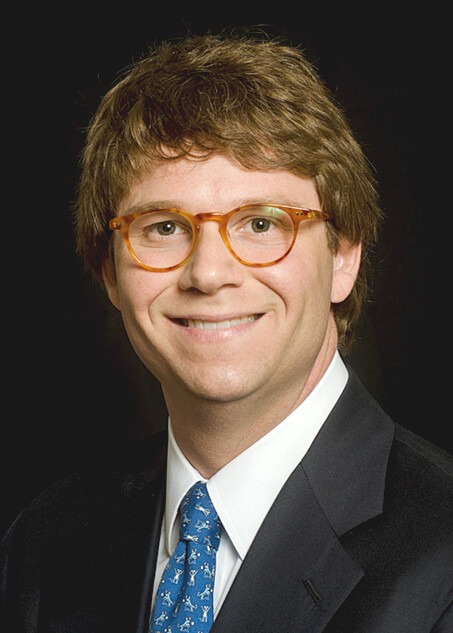
A Houston DWI and criminal defense attorney since 2009 who has never worked for the prosecution. Jay is an ACS-CHAL Forensic Lawyer-Scientist, a certified practitioner and instructor of Standardized Field Sobriety Testing, a certified Drug Recognition Expert, and trained in forensic chromatography. He is a member of the National College for DUI Defense, a founding member of the DUI Defense Lawyers Association, and an appointee to the Texas Indigent Defense Commission by Gov. Abbott in 2024.
Last reviewed September 2026 · This article is legal information, not legal advice. Read Jay’s full bio →